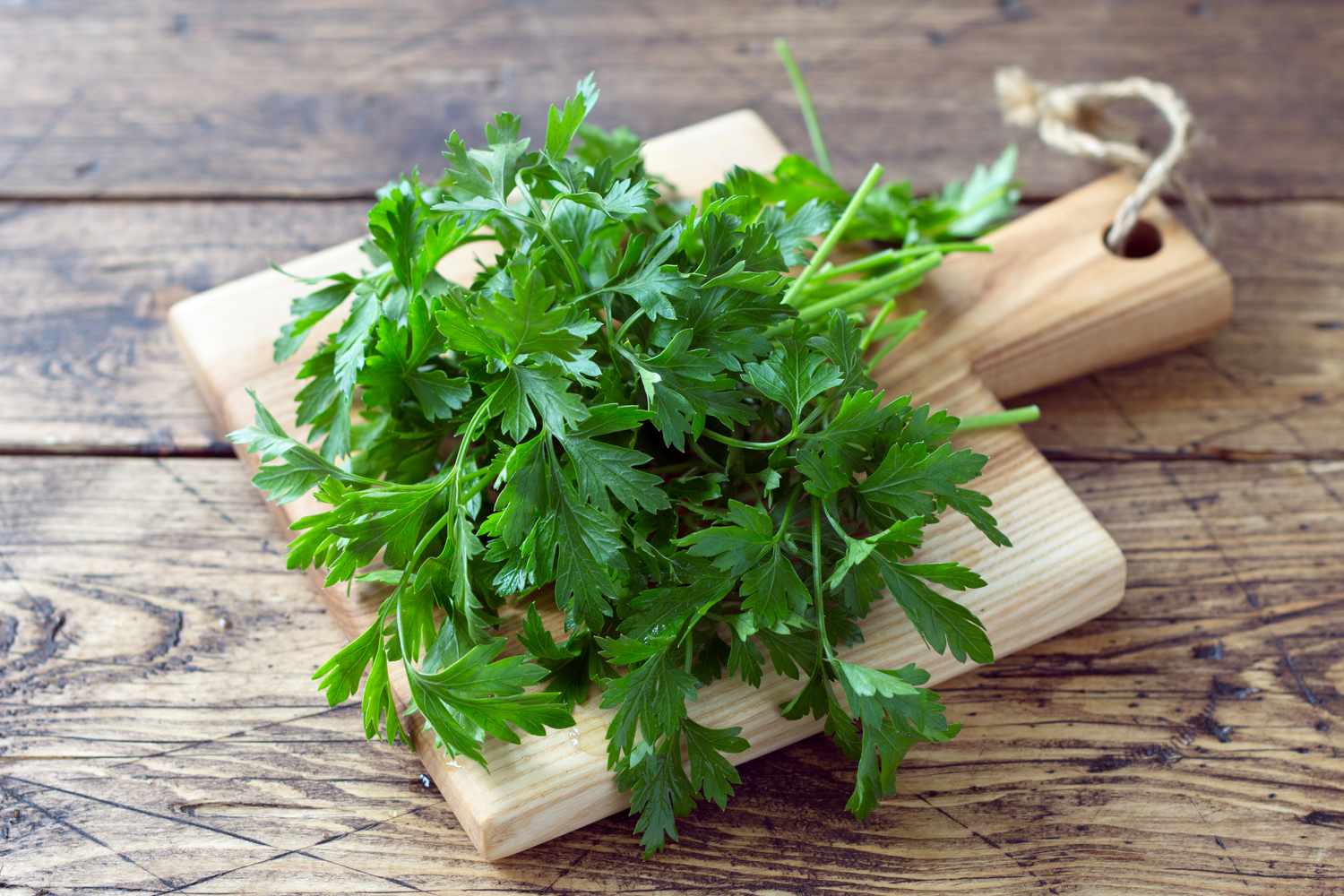
Have you ever stood in the produce aisle, staring at two vibrant green bunches of herbs, wondering if they were identical twins or entirely different species? If you've ever accidentally tossed a bunch of parsley into your salsa or substituted cilantro in your tabbouleh, you're certainly not alone. The striking visual resemblance between parsley and cilantro is a culinary conundrum that baffles many home cooks and professional chefs alike.
While they might look like close cousins, these two leafy greens boast dramatically different flavor profiles and culinary applications. Confusing them can lead to a dish that's either subtly enhanced or, for some palates, surprisingly unpalatable. This article will help you master the art of distinguishing parsley from cilantro, primarily by their unique scents and distinctive leaf shapes, ensuring you always grab the right herb for your culinary creations.
The Root of Confusion: Visual Similarities and Botanical Ties
At first glance, parsley (Petroselinum crispum) and cilantro (Coriandrum sativum) could easily be mistaken for one another. Both are bright green, leafy, and aromatic, growing on long, slender stems. This visual similarity is no mere coincidence; they actually belong to the same botanical family, Apiaceae, also known as the carrot or celery family. This shared lineage explains their structural likeness, leading many to wonder if they are interchangeable.
Adding to the potential confusion, cilantro goes by several other names depending on the region. In many parts of the world, particularly Europe and Asia, the leaves are referred to as coriander, while the dried seeds are also called coriander. It's also sometimes known as "Chinese parsley," further blurring the lines for those unfamiliar with its diverse nomenclature. Understanding these aliases is the first step in demystifying these verdant greens, but to truly tell them apart, we need to engage our senses more deeply.
The Definitive Distinctions: Leaf Shape and, Crucially, Scent
While their botanical relationship explains their similar appearance, a closer inspection reveals key differences that set them apart. Developing an eye for these distinctions and, more importantly, a nose for their aromas will make you an expert in no time.
Examining the Leaves: A Subtle But Useful Clue
One of the initial ways to differentiate parsley and cilantro is by observing their leaf shapes. It's a subtle difference, but once you know what to look for, it becomes a reliable visual cue:
- Cilantro Leaves: These tend to be more rounded or fan-shaped, with deeper, more defined lobes. They often appear delicate and slightly feathery.
- Parsley Leaves: Parsley typically has more pointed, jagged, or serrated leaves. There are two main types of parsley you'll encounter:
- Flat-leaf (Italian) Parsley: Features broad, flat leaves with sharp, distinct points. This variety is generally preferred for cooking due to its robust flavor.
- Curly Parsley: Characterized by tightly bunched, ruffled, and intricately curled leaves. Often used as a garnish, its flavor is milder than flat-leaf parsley.
When comparing them side-by-side, the contrast becomes clearer: cilantro's leaves are often described as resembling tiny maple leaves, while flat-leaf parsley looks like miniature, jagged oak leaves. However, this visual identification can still be tricky, especially with different varietals or when the herbs aren't perfectly fresh.
The Ultimate Test: The Power of Scent
While leaf shape offers a visual hint, the most definitive and foolproof method for distinguishing parsley from cilantro is by their unique aromas. Your nose, not your eyes, will be your best guide here.
- Parsley's Aroma: Take a deep sniff of parsley, and you'll encounter a distinctly fresh, clean, and mildly herbaceous scent. It's often described as green, earthy, and slightly peppery, offering a pleasant and unobtrusive fragrance that hints at its versatility in various dishes.
- Cilantro's Aroma: Cilantro, on the other hand, boasts a much stronger, more pungent, and highly distinctive aroma. It's often characterized as spicy, citrusy, and bright, with a complex undertone. For some, this fragrance is wonderfully refreshing and aromatic, while for others, it evokes a sensation often described as "soapy" or "metallic." This polarizing perception is rooted in genetics; cilantro contains naturally occurring aldehyde compounds that are also found in soaps, leading some individuals to be more sensitive to these compounds.
Practical Tip: The Grocery Store Smell Test
When in doubt at the grocery store, simply pinch a small leaf from each bunch (with permission, or if buying pre-packaged, discreetly) and give it a sniff. The difference will be immediate and unmistakable. Parsley's gentle green freshness will stand in stark contrast to cilantro's bold, almost perfumed intensity.
Beyond Appearance: Flavor Profiles and Culinary Applications
Understanding the scent differences directly translates into appreciating their distinct roles in the kitchen. Their unique flavor profiles mean they are rarely, if ever, interchangeable.
Parsley: The Versatile Brightener
Parsley’s flavor mirrors its scent: fresh, clean, and mildly peppery, with a hint of bitterness. Flat-leaf parsley offers a more robust flavor, making it excellent for cooking, while curly parsley is milder and often used for garnish due. It’s a foundational herb in many European, Mediterranean, and Middle Eastern cuisines.
- Culinary Uses: Parsley brightens and balances flavors without overpowering them. It's essential in Italian dishes like pesto (often combined with basil), gremolata, and pasta sauces. It’s also a star in Middle Eastern tabbouleh, a staple in French fines herbes, and a common addition to soups, stews, marinades, and egg dishes. It’s often added at the end of cooking to preserve its fresh taste and vibrant color.
Cilantro: The Bold and Zesty Star
Cilantro’s flavor is as assertive as its aroma – bright, citrusy, peppery, and intensely fresh for its admirers, or pungent and soap-like for its detractors. Its strong personality makes it a dominant flavor in dishes where it's used.
- Culinary Uses: Cilantro is indispensable in Mexican, Latin American, Thai, Indian, and Vietnamese cuisines. Think authentic salsa, guacamole, tacos, curries, pho, and fresh spring rolls. It pairs wonderfully with lime, chili, and garlic, often acting as a finishing herb, added fresh to maintain its vibrant flavor. Unlike parsley, which can withstand more cooking, cilantro's delicate compounds often benefit from minimal heat, preserving its distinctive zest. For a deeper dive into their specific flavors and how to best utilize them in your kitchen, explore our guide on Parsley vs. Cilantro: Flavors, Uses, and When to Choose Which.
Nutritional Value and Traditional Health Perspectives
Beyond their culinary merits, both parsley and cilantro offer notable nutritional benefits, having been valued in traditional medicine for centuries.
Both herbs are remarkably low in calories, protein, carbohydrates, and fat, making them excellent additions for flavor without significant caloric impact. Despite their small size, they are powerhouses of vitamins and beneficial compounds.
- Vitamin Powerhouses: Parsley is particularly noteworthy for its exceptionally high Vitamin K content. Just 28 grams (about one ounce) provides nearly six times the recommended Daily Value of this crucial vitamin, which is vital for healthy blood clotting and maintaining strong bones. Both herbs are also good sources of Vitamin A and C, along with other essential nutrients.
- Antioxidant Rich: Both parsley and cilantro are packed with phenolic compounds, which are powerful antioxidants. These compounds help protect your cells and DNA from damage caused by oxidative stress, contributing to overall health and well-being.
Historically, these herbs have been employed in various traditional medicine practices. Test-tube and animal studies have suggested a range of potential health benefits, including reducing blood sugar and cholesterol, acting as a diuretic to help with blood pressure and kidney stones, inhibiting bacterial and fungal growth, relieving pain, and minimizing intestinal spasms. However, it's crucial to note that these findings are primarily from laboratory or animal research. More extensive human studies are needed to substantiate these claims and fully understand the health implications of consuming parsley and cilantro.
It's also worth clarifying that while anecdotal claims sometimes suggest cilantro can detoxify the body of heavy metals (like mercury from dental fillings), scientific evidence does not currently support these assertions. When incorporating these herbs into your diet for their potential health benefits, remember that cooking methods and other ingredients can influence their nutritional and beneficial compound content. For instance, some antioxidants may decrease with heat, while others can become more bioavailable. To learn more about their diverse benefits and culinary applications, refer to our comprehensive guide on Parsley vs. Cilantro: Key Differences, Benefits & Culinary Tips.
Conclusion
While parsley and cilantro may trick the eye with their similar green hues and leafy forms, they are distinct culinary entities, each bringing its unique magic to a dish. The next time you find yourself at the grocery store or in your kitchen, confidently differentiate these herbs by first observing their leaf shapes (rounded for cilantro, pointed for parsley) and, most reliably, by taking a moment to appreciate their unique aromas. Parsley offers a mild, fresh, and herbaceous scent, while cilantro delivers a strong, citrusy, and often polarizing aroma. Mastering this distinction will not only prevent culinary mishaps but also open up a world of authentic flavors, transforming your cooking with precision and passion.
