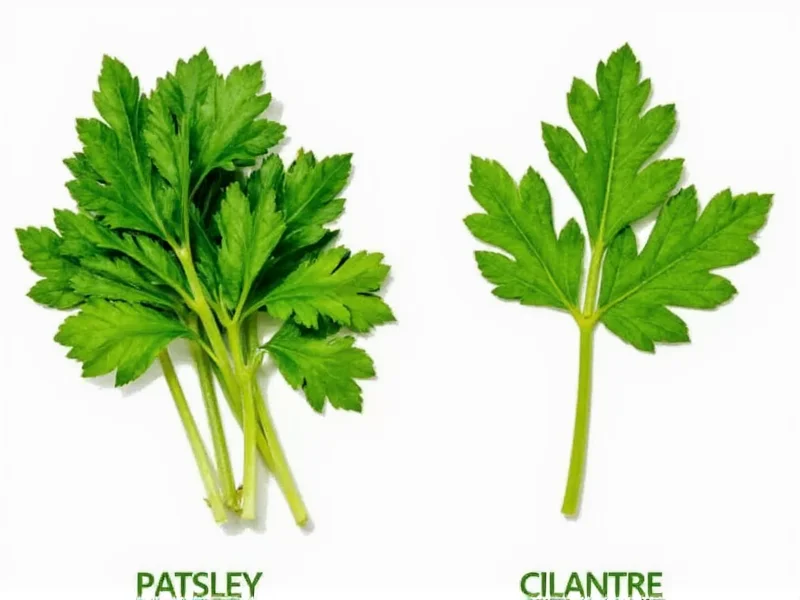
Have you ever found yourself in the grocery store aisle, staring at two bunches of vibrant green herbs, utterly convinced one is the other? You're not alone. The uncanny resemblance between parsley and cilantro has caused countless culinary mix-ups, leading to dishes tasting wildly different from what was intended. While both are leafy, aromatic greens that often share refrigerator space, mistaking them can be a gastronomic disaster for the uninitiated.
Far from being interchangeable, parsley (Petroselinum crispum) and cilantro (Coriandrum sativum) are distinct herbs with unique flavor profiles, aromas, and culinary applications. Though they hail from the same botanical family, Apiaceae, their contributions to world cuisine are as diverse as the dishes they grace. This comprehensive guide will equip you with the knowledge to confidently distinguish between these two kitchen staples, explore their impressive health benefits, and master their roles in your cooking.
The Visual and Aromatic Clues: How to Tell Them Apart
The first step to confidently navigating the world of fresh herbs is to understand how to tell parsley and cilantro apart. While they look strikingly similar at a glance, a closer inspection of their leaves and, more importantly, their scent, will reveal their true identities.
A Leafy Labyrinth: Examining the Foliage
Visually, both parsley and cilantro sport bright green, delicate leaves growing on long, thin stems. However, a keen eye can spot subtle differences in their leaf structure:
- Parsley: The leaves of parsley tend to be more pointed and serrated or jagged at the edges. You'll typically encounter two main types:
- Flat-leaf parsley (Italian parsley): Features flat, deeply cut leaves with a stronger flavor.
- Curly-leaf parsley: Has tightly curled, crinkled leaves, often used for garnishing due to its appealing texture.
- Cilantro: Cilantro leaves are generally more rounded and deeply lobed, often described as feathery or fan-shaped. They might appear slightly more delicate and less dense than parsley leaves.
While leaf shape is a good starting point, it can sometimes be tricky due to variations in growth or how the herbs are bunched. For a deeper dive into visual identification, check out our guide on Parsley vs. Cilantro: Easily Tell Them Apart by Scent & Leaf.
The Olfactory Test: Scent is Key
If visual cues leave you second-guessing, your nose is your best ally. The distinct aromas of parsley and cilantro are the most reliable identifiers:
- Parsley: Offers a clean, fresh, mildly herbal, and slightly peppery scent. It's generally pleasant and subtly green, complementing a wide range of dishes without overpowering them.
- Cilantro: Possesses a much stronger, more pungent, and distinctly citrusy aroma. For many, it has an earthy, almost spicy quality. However, a significant portion of the population (genetically predisposed) perceives cilantro's scent and taste as "soapy" or metallic. This is due to the presence of specific aldehyde compounds found naturally in the herb.
A quick sniff test is usually all it takes to confirm whether you're holding parsley or cilantro. Crush a leaf gently between your fingers to release its essential oils and take a deep breath.
Beyond Appearance: Distinct Flavor Profiles and Culinary Applications
The differences between parsley and cilantro extend far beyond their looks and smells; their flavor profiles dictate their very distinct roles in the kitchen. Understanding these nuances is crucial for achieving authentic and delicious results.
Parsley's Fresh, Grassy Notes
Parsley’s flavor is bright, clean, and herbaceous, with subtle peppery undertones. It acts as a refreshing counterpoint in many dishes, brightening flavors without dominating them. It's a true workhorse in the culinary world.
- Culinary Uses: Parsley is incredibly versatile. It's a staple in Mediterranean, Middle Eastern, and European cuisines.
- Finishing Touch: Often sprinkled fresh over pasta, soups, stews, roasted vegetables, and grilled meats just before serving.
- Key Ingredient: Essential in dishes like tabbouleh, chimichurri sauce, gremolata, and various stuffings.
- Base Flavor: Frequently used in stocks, broths, and herb blends (like bouquet garni) for its foundational fresh notes.
Flat-leaf parsley is generally preferred for cooking due to its more robust flavor, while curly parsley often finds its calling as an edible garnish.
Cilantro's Bold, Pungent Character
Cilantro delivers a vibrant, almost electric flavor that is uniquely its own. It’s often described as citrusy, pungent, and earthy, with a distinctive aroma that can be polarizing due to the "soapy" perception mentioned earlier. For those who love it, its bold character is indispensable.
- Culinary Uses: Cilantro is a cornerstone of Mexican, Southeast Asian (Thai, Vietnamese), Indian, and some Middle Eastern cuisines.
- Fresh Addition: Almost exclusively used fresh, as its flavor diminishes significantly with cooking. It's crucial in salsas, guacamole, ceviche, and as a topping for tacos, curries, and pho.
- Marinades and Sauces: Its leaves and even its delicate stems are often blended into marinades, chutneys, and fresh sauces to infuse a bright, zesty quality.
- Garnishing: A popular garnish for dishes where its distinctive flavor is desired.
For more detailed insights into their flavor applications and when to make the right choice, explore our article on Parsley vs. Cilantro: Flavors, Uses, and When to Choose Which.
When (Not) to Substitute
Given their stark differences in flavor, parsley and cilantro are generally not interchangeable. Substituting one for the other will drastically alter the intended taste of a dish. Imagine a Mexican salsa with parsley instead of cilantro, or a French béchamel sauce with a hint of pungent cilantro – the results would be unexpected, and likely undesirable. Always refer to your recipe and choose the specified herb for the best outcome.
Nutritional Powerhouses: Shared Benefits, Unique Strengths
Beyond their culinary appeal, both parsley and cilantro are packed with nutrients and bioactive compounds that contribute to overall health. While both are low in calories, they punch above their weight in terms of vitamins and antioxidants.
Nutritional Snapshot: Low Calorie, High Impact
Both herbs are incredibly low in calories, carbohydrates, protein, and fat, making them excellent additions for flavor and nutrition without adding significant caloric load. They are particularly rich in vitamins and phenolic compounds.
Spotlight on Key Nutrients
- Parsley: Stands out for its exceptionally high vitamin K content. Just a small serving (around 28 grams or 1 ounce) can provide nearly six times the recommended Daily Value for this vital nutrient. Vitamin K is crucial for healthy blood clotting and plays a significant role in maintaining strong bones. It also contains good amounts of Vitamin C and Vitamin A.
- Cilantro: While not as concentrated in Vitamin K as parsley, it is still a good source, along with Vitamin A and Vitamin C. Its vibrant green color is indicative of its rich chlorophyll content.
Both herbs are also abundant in phenolic compounds, which are powerful antioxidants. These compounds help protect your cells and DNA from oxidative damage caused by free radicals, potentially reducing the risk of chronic diseases.
Traditional Wisdom & Modern Science
Parsley and cilantro have been integral to traditional medicine practices for centuries across various cultures. Modern scientific research, primarily through test-tube and animal studies, is beginning to explore and validate some of these traditional uses. These studies suggest potential health benefits, including:
- Reducing blood sugar levels.
- Lowering cholesterol.
- Helping prevent blood clots.
- Inhibiting the growth of certain bacteria and fungi.
- Acting as a diuretic, potentially reducing blood pressure and preventing kidney stones.
- Relieving pain and minimizing intestinal tract spasms.
It's important to note that while these findings are promising, they are largely based on isolated compounds or concentrated extracts in laboratory settings. More robust human studies are needed to confirm these health claims for typical culinary consumption. Additionally, some anecdotal claims, such as cilantro's ability to remove heavy metals like mercury from the body, lack scientific backing and should be approached with skepticism.
The cooking method can also influence the nutritional and beneficial compound content of these herbs. While some antioxidants might be reduced with heat, others could become more bioavailable. For maximum benefits, adding these herbs fresh at the end of cooking is often recommended.
Smart Storage and Usage Tips
To get the most out of your parsley and cilantro, proper storage is key to maintaining their freshness, flavor, and nutritional value. Here are some practical tips:
Keeping Them Fresh
Both herbs benefit from similar storage methods to extend their shelf life:
- "Bouquet" Method: Trim the very ends of the stems and place the bunch upright in a glass of water, much like a bouquet of flowers. Cover the leaves loosely with a plastic bag (like a produce bag) and refrigerate. Change the water every day or two. This method can keep them fresh for up to two weeks.
- Paper Towel Method: For shorter storage, you can gently wrap the clean, dry herbs in a slightly damp paper towel, then place them in an airtight container or zip-top bag in the refrigerator.
- Freezing: If you have an abundance, chop the herbs finely and freeze them in ice cube trays with a little water or olive oil. Once frozen, transfer the cubes to a freezer-safe bag. These cubes are perfect for adding to soups, stews, or sauces later.
Maximizing Flavor
- Add Fresh at the End: For both parsley and cilantro, adding them fresh towards the end of cooking or as a garnish preserves their vibrant color, delicate texture, and most potent flavors. High heat can diminish their aromatic compounds.
- Utilize Stems: Don't discard the stems! Cilantro stems, in particular, are packed with flavor and often used in Thai curries or blended into marinades and sauces. Parsley stems, while tougher, can add depth to stocks and broths.
- Wash Thoroughly: Always wash fresh herbs thoroughly under cold running water to remove any dirt or grit, then pat them completely dry before use or storage.
Understanding the nuances of parsley and cilantro can transform your cooking. No longer will you dread the moment you grab the wrong bunch. With a keen eye, a good sniff, and an appreciation for their distinct culinary roles, you're now equipped to master these two incredible herbs.
In conclusion, while parsley and cilantro may appear to be leafy green doppelgängers, they are culinary individuals with distinct personalities. Parsley offers a refreshing, mild, herbaceous counterpoint, perfect for brightening European and Middle Eastern dishes. Cilantro, with its bold, citrusy, and sometimes polarizing aroma, is the unmistakable heart of Mexican, Indian, and Southeast Asian cuisines. Both are nutritional powerhouses, rich in vitamins and antioxidants, contributing not just flavor but also health benefits to your diet. By recognizing their unique characteristics and respecting their individual places in the kitchen, you can confidently wield these versatile herbs, elevating your dishes from good to truly exceptional.
