Beyond Green: Unmasking the Identity of Parsley and Cilantro
Picture this: You're at the grocery store, recipe in hand, scanning the produce aisle for a vibrant bunch of herbs. Suddenly, you're faced with two strikingly similar leafy greens, both boasting slender stems and verdant foliage. Is it parsley? Or is it cilantro? The confusion is incredibly common, and you’re certainly not alone if you've ever found yourself in this herb-induced dilemma. While often mistaken for one another – and sometimes even believed to be interchangeable – parsley and cilantro are distinct culinary powerhouses, each bringing its own unique character to the table.
This comprehensive guide will delve into the fascinating world of
parsley vs. cilantro, exploring their nuanced differences in flavor, appearance, nutritional value, and, most importantly, when to choose which for your culinary adventures. From their botanical roots to their impactful roles in global cuisines, understanding these two herbs will elevate your cooking and ensure your dishes sing with the intended symphony of flavors.
A Shared Ancestry, Different Destinies: Botanical Roots and Visual Cues
Both parsley (*Petroselinum crispum*) and cilantro (*Coriandrum sativum*) hail from the same botanical family, *Apiaceae*, often referred to as the carrot or parsley family. This shared lineage explains their initial visual resemblance, characterized by their bright green leaves and long, delicate stems. However, this is where their similarities largely end.
For many, telling these two apart visually can be the first hurdle. While both are leafy, vibrant green herbs, a closer inspection of their leaves reveals their individual identities:
- Cilantro leaves tend to be more rounded, almost fan-shaped, with deeper lobes and a slightly more delicate appearance. They can sometimes look a bit like flat-leaf parsley but with softer, more ruffled edges.
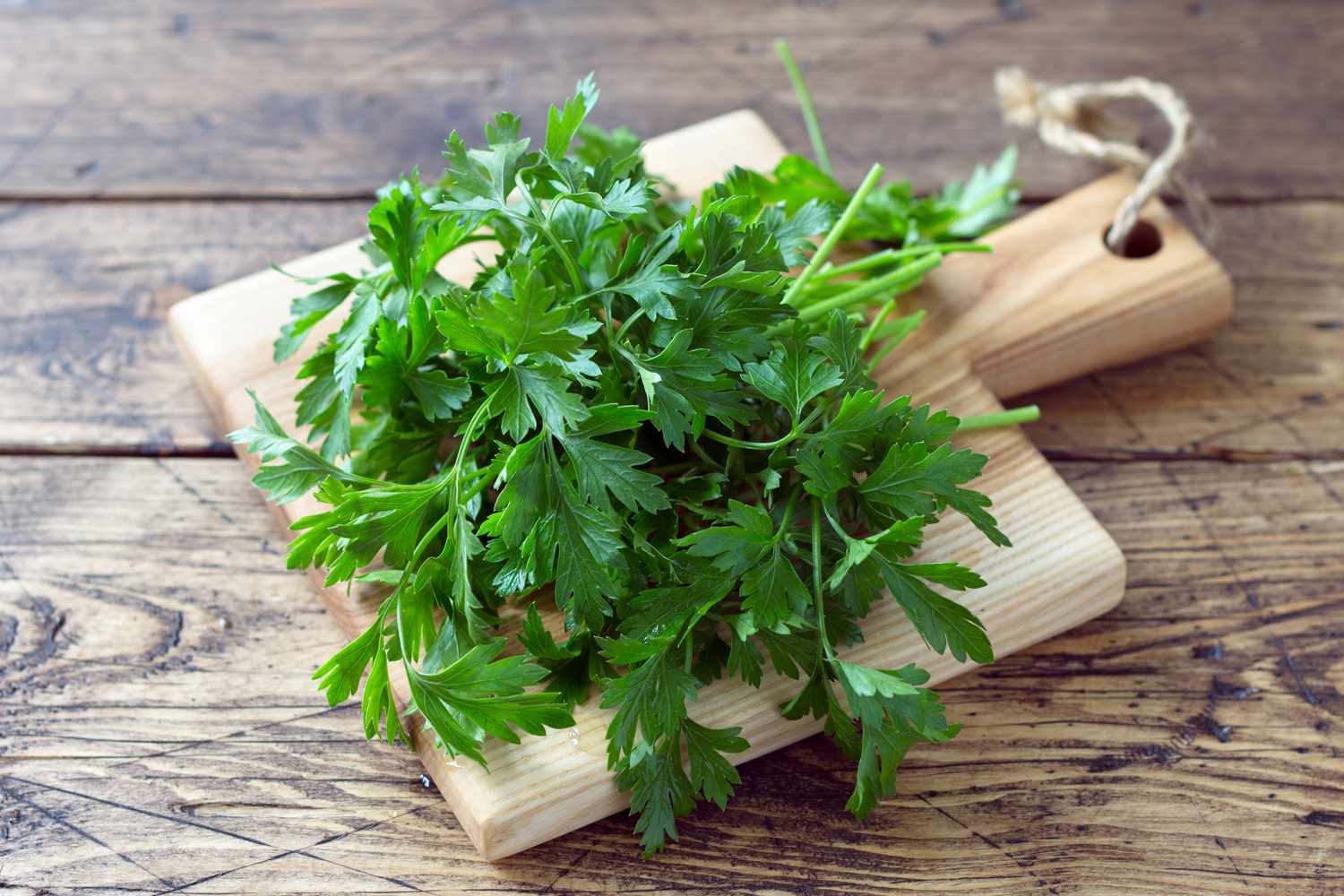
- Parsley leaves, particularly the popular flat-leaf or Italian variety, are more pointed and sharply serrated. Their edges are noticeably more defined and angular compared to cilantro. Curly parsley, with its tightly bunched and crinkled leaves, is much easier to distinguish.
Beyond the leaf shape, regional nomenclature can add to the confusion. What many English speakers call cilantro is often referred to as "coriander" in other parts of the world, particularly in the UK, India, and other Commonwealth countries. To further complicate things, some cultures also know cilantro as "Chinese parsley." This distinction is important because "coriander" can also refer to the dried seeds of the cilantro plant, which possess a completely different flavor profile from the fresh leaves. For more detailed visual identification tips, you might find this article helpful:
Parsley vs. Cilantro: Easily Tell Them Apart by Scent & Leaf.
A Tale of Two Flavors: The Distinct Aromas and Tastes
While visual cues can offer hints, the most definitive way to distinguish parsley from cilantro is by their aroma and subsequent taste. This is where their paths diverge dramatically, dictating their culinary applications and ensuring they are rarely, if ever, truly interchangeable.
Parsley's Profile: Fresh, Grassy, and Herbaceous
Parsley offers a clean, mild, and distinctly herbaceous scent. Its flavor follows suit, delivering a refreshing and slightly peppery taste that brightens dishes without overpowering them.
- Flat-leaf parsley (Italian parsley) is the most common culinary variety, known for its robust, fresh, and slightly peppery notes. It's often described as tasting "green" and clean.
- Curly parsley has a milder, almost grassy flavor and is frequently used as a garnish due to its attractive, frilly texture.
Both varieties provide an invaluable freshness, acting as a reliable backdrop that enhances other ingredients. Its versatility allows it to blend seamlessly into a wide array of cuisines.
Cilantro's Profile: Pungent, Citrusy, and Controversial
Cilantro, in stark contrast, possesses a much bolder, more pungent aroma. Its scent is often described as spicy, citrusy, and somewhat peppery, with an unmistakable bright, almost metallic undertone. The flavor, too, is unique and assertive.
However, cilantro holds a special place in the culinary world due to a fascinating genetic quirk. For approximately 4-14% of the population, cilantro has a strong, unpleasant, "soap-like" taste and smell. This isn't due to personal preference but rather to a genetic predisposition that makes certain individuals highly sensitive to aldehyde compounds present in cilantro, which are also found in soaps. For those who don't have this genetic trait, cilantro offers a refreshing, zesty, and highly aromatic experience that is central to many ethnic dishes. Its flavor is bright, vibrant, and undeniably distinctive.
Nutritional Powerhouses: Health Benefits in Every Leaf
Beyond their flavors, both parsley and cilantro pack a significant nutritional punch despite their low-calorie count. They are excellent sources of various vitamins and beneficial plant compounds, having been valued in traditional medicine for centuries.
Both herbs are incredibly low in calories, protein, carbohydrates, and fat, making them guilt-free additions to almost any meal. However, they shine as rich sources of essential vitamins:
- Parsley is particularly notable for its exceptionally high vitamin K content. Just a small serving (around 28 grams) can provide nearly six times the recommended Daily Value for this vital nutrient. Vitamin K plays a crucial role in maintaining healthy blood clotting and contributes significantly to strong bone health.
- Cilantro also offers a good amount of vitamin K, along with vitamins A and C.
In addition to their vitamin profiles, both parsley and cilantro are abundant in phenolic compounds, which are powerful antioxidants. These compounds help protect your cells and DNA from oxidative damage caused by free radicals, potentially reducing the risk of chronic diseases.
Historically, these herbs have been incorporated into traditional medicine practices for their perceived healing properties. Scientific research, primarily through test-tube and animal studies, has begun to explore some of these potential benefits:
- Blood Sugar Regulation: Certain plant chemicals in both herbs may help in reducing blood sugar levels.
- Cholesterol Reduction: Compounds found in these herbs have shown promise in lowering cholesterol.
- Anticoagulant Properties: They may help prevent blood clots, contributing to cardiovascular health.
- Antimicrobial Effects: Studies suggest they can inhibit the growth of various bacteria and fungi.
- Diuretic Action: Acting as diuretics, they may help reduce blood pressure and prevent kidney stones.
- Pain and Spasm Relief: Traditional uses include alleviating pain and minimizing intestinal tract spasms.
It is important to emphasize that while these findings are promising, the vast majority of this research has been conducted in laboratory or animal settings. Further human studies are needed to substantiate these health claims and fully understand the impact of parsley and cilantro on human health in typical dietary quantities. Furthermore, the cooking process and interaction with other ingredients can affect the concentration and bioavailability of these beneficial compounds.
Culinary Crossroads: When to Choose Parsley, When to Choose Cilantro
Understanding the distinct flavor profiles of parsley and cilantro is paramount to mastering their use in the kitchen. Their unique tastes dictate which cuisines they complement best and how they should be incorporated into dishes.
Choosing Parsley: The Universal Enhancer
Parsley's fresh, clean, and mildly peppery flavor makes it an incredibly versatile herb. It brightens and rounds out flavors without taking center stage, making it a universal enhancer.
When to choose parsley:
- Garnishes: Its vibrant color and appealing texture make it a popular choice for adding a final touch to virtually any savory dish.
- Salads and Dressings: Finely chopped parsley adds a fresh, herbaceous note to green salads, potato salads, tabbouleh, and vinaigrettes.
- Sauces and Marinades: Essential in Italian pestos, French sauces like gremolata, and various marinades for meats and vegetables. It's a key ingredient in chimichurri, a vibrant South American condiment.
- Soups and Stews: Added during cooking or at the end, parsley imparts a comforting, earthy freshness to broths, stews, and casseroles.
- Egg Dishes: A classic addition to scrambled eggs, omelets, and frittatas.
- Cuisines: Indispensable in Italian, French, Middle Eastern, and American cooking. Think pasta dishes, roasted vegetables, grilled fish, or hearty roasts.
Culinary Tip: Parsley holds up well to heat, so it can be added earlier in the cooking process. For maximum freshness, stir in a generous amount right before serving.
Choosing Cilantro: The Zesty Star
Cilantro's bright, pungent, and citrusy flavor profile makes it a star in specific culinary traditions, where its distinctive taste is celebrated.
When to choose cilantro:
- Salsas and Guacamole: An absolute staple in Mexican and Tex-Mex cuisine, providing essential zest to salsas, pico de gallo, and creamy guacamole.
- Curries and Stews: Integral to the flavor foundations of many Indian, Thai, and Vietnamese curries, stews, and soups like pho.
- Tacos and Burritos: Fresh cilantro is a non-negotiable topping for tacos, burritos, and other Latin American street food.
- Marinades for Meats and Fish: Its strong flavor stands up well in marinades for chicken, pork, beef, and white fish, particularly in Asian or Latin-inspired dishes.
- Salads and Dressings (Specific): While parsley is general, cilantro is perfect for specific vibrant salads like Thai beef salad or mango salsa.
- Cuisines: Dominant in Mexican, Tex-Mex, Indian, Thai, Vietnamese, Caribbean, and some Middle Eastern dishes.
Culinary Tip: Cilantro's delicate flavor diminishes significantly with heat. For the best taste and aroma, it’s almost always added fresh, at the very end of cooking, or as a vibrant garnish.
Tips for the Kitchen: Storage and Smart Substitutions
Knowing how to store your herbs properly can extend their freshness and potency, while understanding substitution nuances can save a dish in a pinch.
Keeping Them Fresh: Storage Secrets
- Parsley: To maximize its shelf life, treat parsley like a bouquet of flowers. Trim the bottoms of the stems, place the bunch in a glass of water, and cover loosely with a plastic bag. Store in the refrigerator. It can last for 1-2 weeks.
- Cilantro: Cilantro benefits from a similar storage method – a glass of water, covered, in the fridge. However, it tends to be more delicate and might only last for a week. Some prefer to wrap cilantro loosely in a damp paper towel and then place it in a sealed plastic bag or container in the crisper drawer.
The Substitution Conundrum: Proceed with Caution
Given their vastly different flavor profiles, parsley and cilantro are generally *not* interchangeable. Substituting one for the other will drastically alter the intended taste of a dish, often to its detriment.
- If a recipe calls for parsley: If you're out of parsley, consider alternatives like chervil (similar delicate flavor), or even a tiny amount of celery leaves for a touch of green freshness, though the flavor won't be identical.
- If a recipe calls for cilantro: This is trickier. For those who dislike cilantro, mint or dill can sometimes provide a fresh, herbaceous note in certain contexts (like a fresh salad or a cooling raita), but they will not replicate cilantro's unique zest. In Mexican dishes, there's truly no direct substitute that captures its essence. Your best bet might be to omit it entirely or use a very small amount of finely minced fresh mint if you absolutely need a green herb.
Always taste and add gradually when experimenting with substitutions, especially with potent herbs like cilantro.
The Green Divide: Embracing the Unique Contributions of Parsley and Cilantro
While parsley and cilantro may initially appear to be culinary doppelgängers, they are, in fact, distinct and irreplaceable stars in their own rights. From their subtly different leaf structures to their dramatically contrasting aromas and flavors, each herb brings a unique and vital contribution to the global culinary landscape. Parsley offers a universally loved freshness and herbaceous foundation, capable of enhancing countless dishes without overshadowing them. Cilantro, on the other hand, provides a bold, zesty, and often controversial punch, defining the character of many beloved regional cuisines.
By understanding these fundamental differences – visual, aromatic, and flavorful – you can confidently navigate the produce aisle and select the perfect herb for your recipe, ensuring your dishes are consistently vibrant, authentic, and bursting with the intended taste. So, next time you reach for that bunch of green, take a moment to smell, observe, and appreciate the unique magic each leaf holds, and let your culinary creations truly shine.